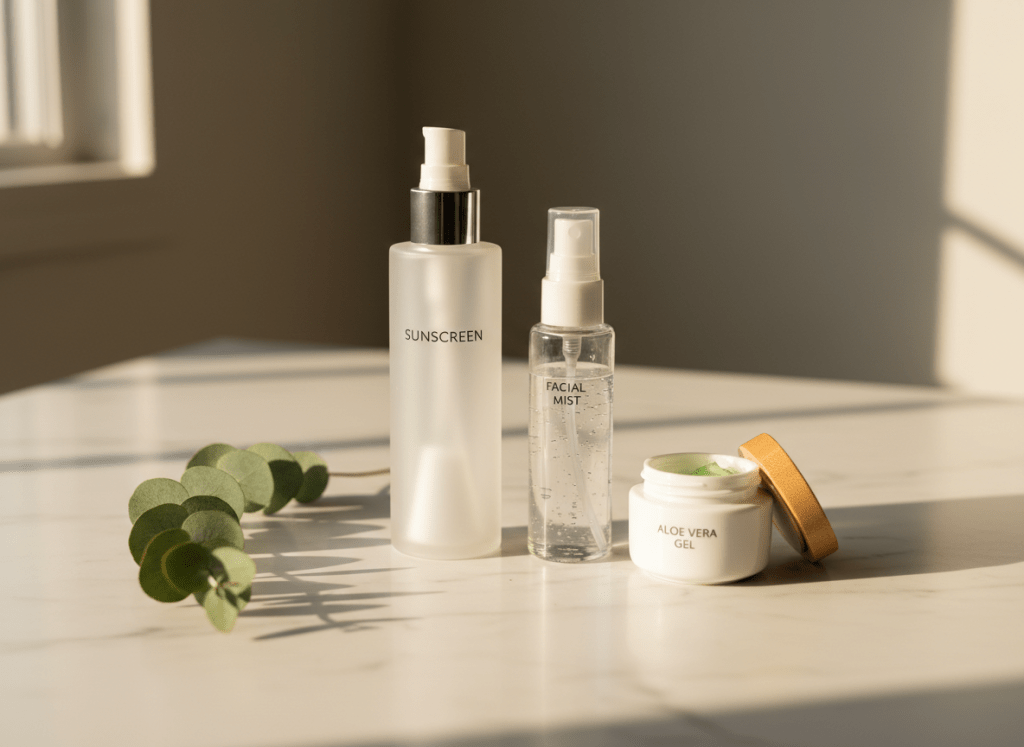
Beauty: Sun Care 101
Although Texas experiences sunshine and warm weather throughout the year, most people think of June as the start of summertime. With more sunshine, it is important to understand how to care for your skin with proper sun care. In order to incorporate proper sun care into your daily routines, it helps to educate yourself on Sun Care 101.
I have been using sunscreen since my 20s, and I believe it has helped keep my skin in good condition with relatively few wrinkles. When I moved to Texas in 2020, I quickly realized sunscreen would be more important than ever. The Texas sun can be intense year-round, and spending time outdoors often means reapplying sunscreen throughout the day. While sunshine can boost our moods and set the scene for a happy day, it also means we need to be mindful about practicing consistent sun care.
Why is Sun Care Important?
As we age, our skin naturally becomes thinner and more vulnerable to sun damage. Years of cumulative sun exposure can contribute to age spots, wrinkles, uneven skin tone, and an increased risk of skin cancer. That’s why protecting your skin today can have benefits for years to come.
Where to Start
Effective sun care should include applying a broad-spectrum SPF 30+ sunscreen 15-20 minutes before going outside. (I use SPF 50 or 70+ as Texas sun feels too strong for SPF 30). The rule of thumb is 1 ounce (a shot glass) for your body and 1 teaspoon for your face. It is important you reapply every 2 hours, especially after swimming or sweating, and also include protective sun-resistant clothing, wide-brim hats, sunglasses, and an umbrella.
UV Rays
UVA: Penetrates deep into the skin, causing premature aging, wrinkles, and sun spots.
UVB: Damages the outermost layers of skin and is primarily responsible for sunburns.
Remember that UV rays are strongest from 10 am until 4 pm so always protect yourself.
Sunscreens
Mineral: Contains active ingredients like Zinc Oxide or Titanium Dioxide which deflects UV rays. Can work well with sensitive skin.
Chemical: Contains ingredients such as avobenzone that absorb UV rays before they can damage your skin. These formulas often feel lighter and may be easier to wear under makeup.
How to Use
If you use other skin care products, like toners, serums, or moisturizers, be sure to use the sunscreen as the final step in your skin care. Don’t forget other areas on your body, like hands, feet, ears, neck, lips, and nape of neck.
What about Cloudy Days?
Even on cloudy days, UV rays can penetrate through the clouds. Just because the sun isn’t visible doesn’t mean your skin isn’t being exposed. Be sure to apply sunscreen even when the weather is overcast.
Final Thoughts
Healthy aging isn’t just about exercise and nutrition—it’s also about protecting the skin you’re in. Whether you’re enjoying a morning walk, tending to your garden, relaxing on the porch, or exploring the outdoors, consistent sun care can help protect your skin for years to come. A few minutes of prevention today can make a lasting difference tomorrow.
Sources & Further Reading
The information in this article is based on my personal experience as an active 55-year-old woman, combined with research from the following resources:
- Suncare 101 – Coppertone
- Sun Protection 101—Your Guide to Sunscreen | Dermatology
- What To Know About SPF, UV Rays and Sunburn Treatment
- Sunscreen 101: The Ultimate Guide to Sun Protection – Trailhead Clinics
- Sunscreen 101 – Greater Baltimore Medical Center
This article is intended for informational purposes only and is not medical advice. Always consult a healthcare provider if you have questions or concerns on your dermatological skin care or sun care needs.


Leave a Reply